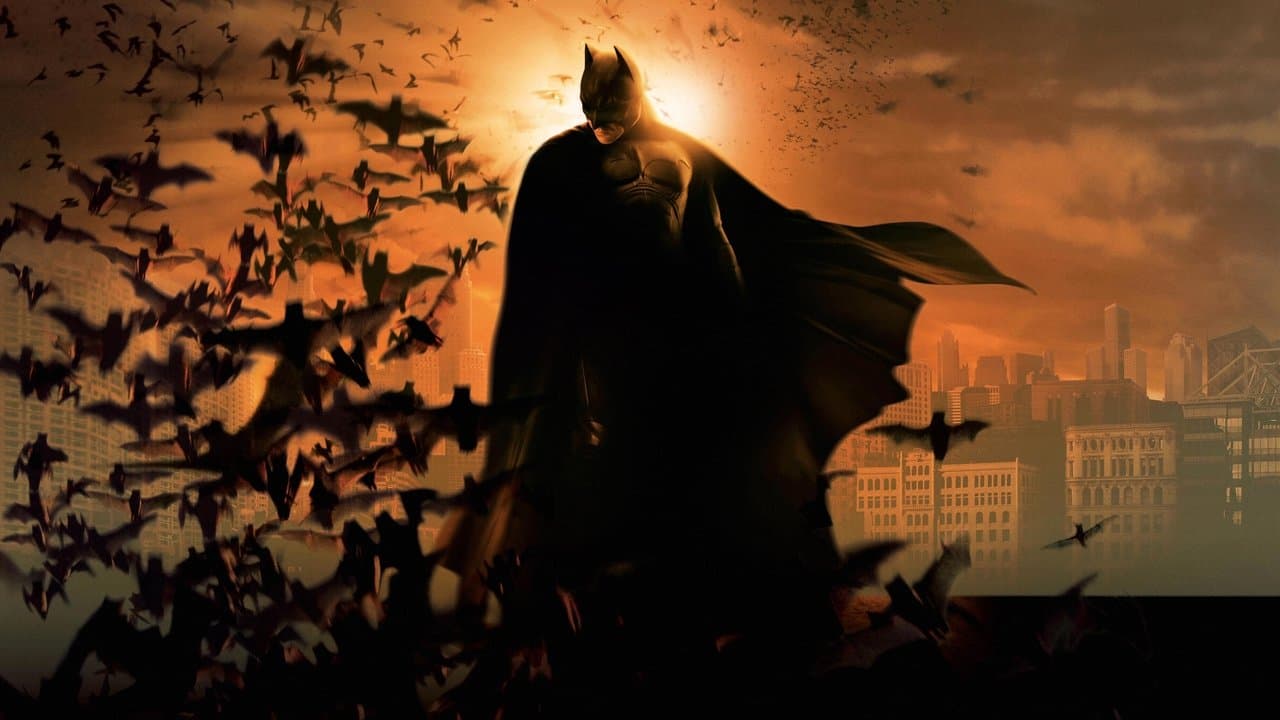
Batman Begins (2005)
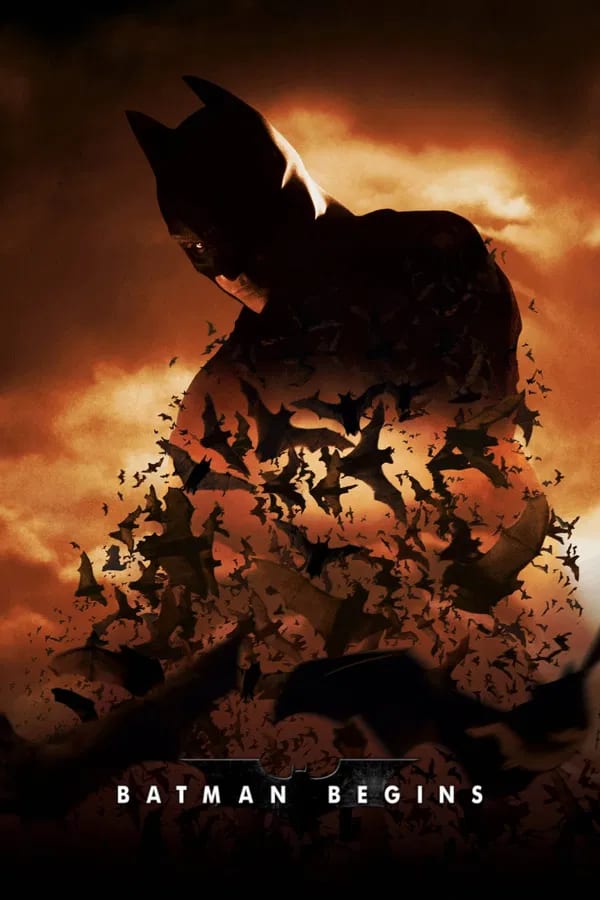
Information
Director: Christopher Nolan
Writers: Christopher Nolan, David S. Goyer
Cast:
Christian Bale (Bruce Wayne / Batman)
Michael Caine (Alfred)
Liam Neeson (Henri Ducard / Ra’s al Ghul)
Katie Holmes (Rachel Dawes)
Gary Oldman (Jim Gordon)
Cillian Murphy (Jonathan Crane)
Runtime: 140 minutes
Country: United States, United Kingdom
Awards:
Academy Award nomination (Cinematography)
BAFTA nominations in technical categories
Various critics’ association and genre film awards
About Batman..
Batman is a character created at the American comics company DC Comics.
Along with Superman, another DC creation, he is one of the characters that stand for American comics.
Bill Finger, who worked at the company, created him, but there is a long-running dispute over his colleague Bob Kane taking the credit.
The Batman Movie Trilogy
Since starting his career, director Christopher Nolan had been making thrillers — Following, Memento, Insomnia.
Warner Bros. was looking for someone to make the live-action Batman series anew, judged him the right man, and made the offer.
And so he made Batman Begins as the first film, and it succeeded.
The Dark Knight, which followed, came to be rated the finest superhero film ever made, and a landmark as a film in its own right.
The Dark Knight Rises, made to close it out, is rated below The Dark Knight, but still as a film that closed the trilogy well.
Plot (Expandable)
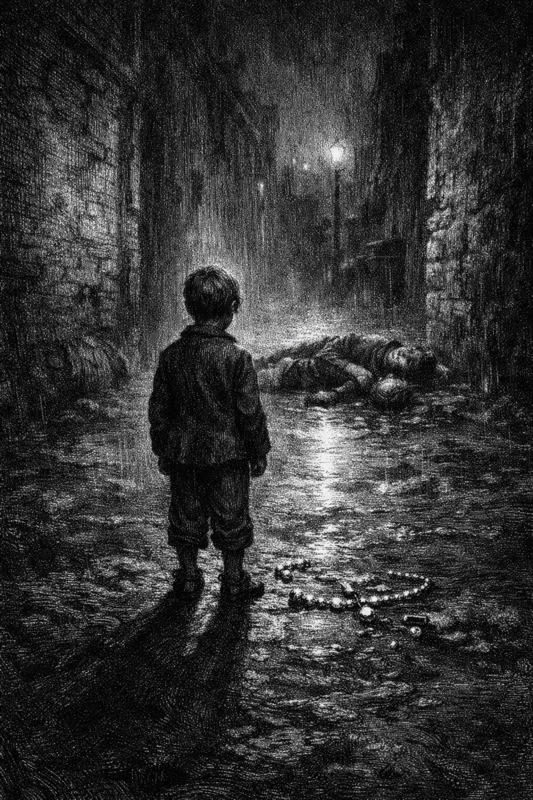
The story begins not with ‘Batman’ but with ‘Bruce Wayne’.
The young Bruce Wayne was the son of a wealthy family, and one night he loses his parents in front of his own eyes.
An alley, gunshots, blood — and a life begins in which fear and the wish for revenge torment him.
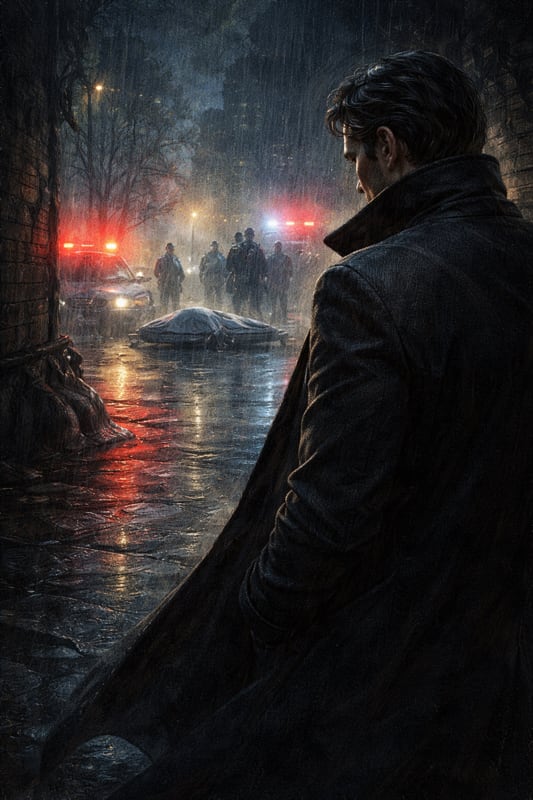
The grown Bruce sets out to deal with Joe Chill, his parents’ killer, himself.
But the mob behind it moves first, and Joe Chill is killed.
When Bruce admits the assassination attempt, his childhood friend Rachel slaps him across the face.
At the same time he realises that private revenge can never be justice.
And he comes to see that the crime in Gotham, where he lives, cannot be got rid of unless it is pulled up by the root.
Bruce throws himself aboard a ship and leaves Gotham at once.
He wanders the world, living and acting alongside criminals to learn how the thing is built.
Along the way he ends up in prison as well.
Through all this, using violence as his means, Bruce carries self-loathing and self-inquiry with him.
It never once makes him grow.
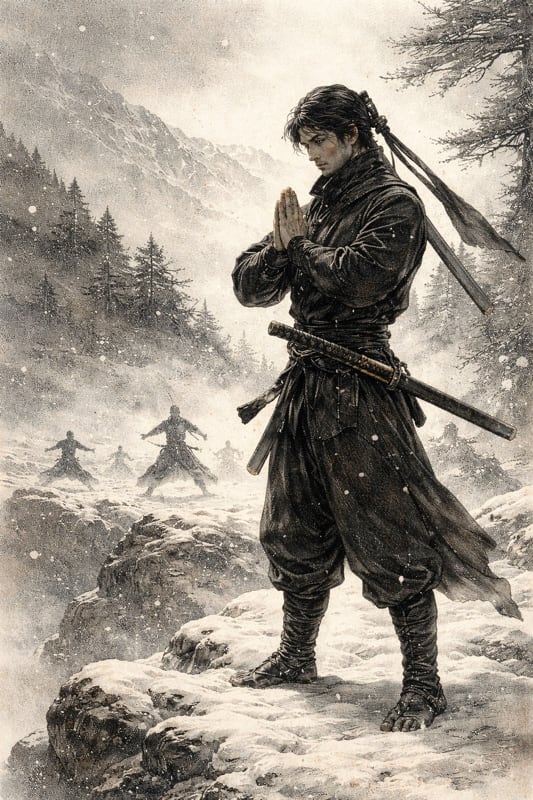
Then Henri Ducard comes to find him.
And tells him to come, saying he will make him more than human.
So Bruce becomes a member of the League of Shadows, a secret order deep in the mountains of Asia, and learns martial arts and the discipline of the mind from Ducard.
The final test was to kill a farmer who had committed a crime, in front of the leader Ra’s al Ghul.
The league holds up order, but that order could not get clear of violence and killing as its extreme means.
Bruce refuses to kill, and destroys the League of Shadows’ stronghold.
In the process Ra’s al Ghul dies; Bruce rescues Ducard and leaves him with villagers.
Then he calls Alfred and returns to Gotham by private plane.
The city was still corrupt, the law powerless, the crime structured.
Bruce comes to think the city needs a symbol stronger than the law.
And the symbol is represented by fear.
He resolves to take fear as his weapon and stop the criminals with it.
As a child, playing with Rachel, he fell into a well, was terrified by the bats that came pouring out, and was left with a trauma about bats.
He takes the trauma he carries as his symbol.
Bruce also makes several allies.
To Alfred Pennyworth, the butler who has served the family all his life, he reveals the plan and gets support in daily life.
He digs out a cave near the mansion for a base, has Lucius Fox, an engineer at Wayne Enterprises, make the combat suit and the weapons, and stores them there. And working with the upright detective James Gordon, he begins dealing with the criminals.
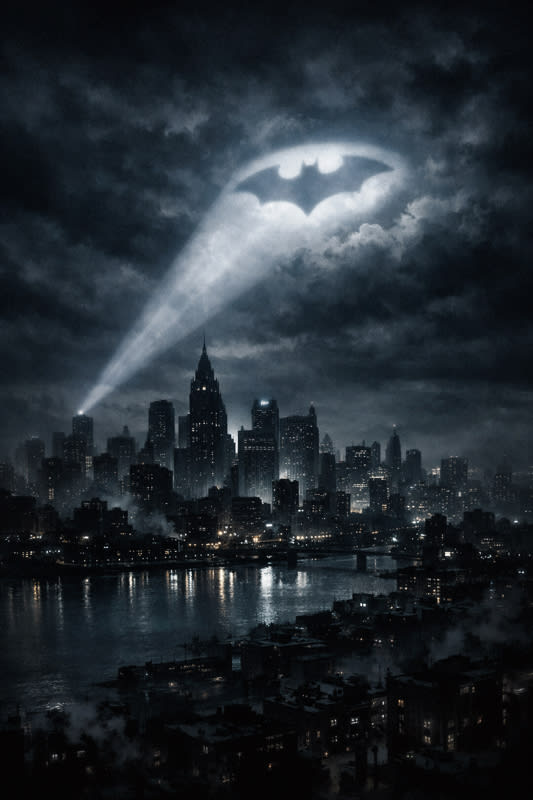
On the roof of the police station he makes a bat-shaped spotlight so Gordon can call him when he wants to meet.
And so Bruce becomes Batman, the symbol of fear to Gotham’s criminals.
It does not run smoothly, though — Crane, who uses a fear gas, gets to him, and he comes close to death.
Because Bruce works with his identity hidden, he deliberately ruins his own public image so as not to be found out.
He throws money around and builds a lavish, frivolous image.
And then, meeting Rachel again after a long time, he cannot keep his heart hidden.
Not wanting to show her this side of himself, he tries to explain.
This isn’t me. (It’s not me. Inside I’m… I’m more.)
But Rachel is resolute.
It isn’t what’s inside you that defines you, it’s what you do (It’s not who you are underneath, It’s what you do that defines you.)
The enemies Batman had been dealing with — the mob boss Carmine Falcone and Jonathan Crane, the lawyer with the fear gas — were not all of it.
At his own birthday party, held at Bruce’s mansion, a recovered Ducard appears with the League of Shadows.
Bruce plays the wastrel and gets the guests out.
Ducard reveals that the League of Shadows has been a terrorist body for thousands of years, driving everything from the Roman Empire to the Great Fire of London.
Bruce realises that the dead Ra’s al Ghul was a figurehead and that Ducard is Ra’s al Ghul, but it is already too late.
Ducard and the League burn the mansion down, and Bruce loses consciousness.
Ra’s al Ghul means to vaporise the water mains loaded with Crane’s fear gas and rule the whole city through fear.
The mansion is lost, and with Alfred’s help Bruce takes shelter in the cave.
To Bruce, sunk down in the loss, Alfred says:
Why do we fall? (Why do we fall sir?)
So that we can learn to pick ourselves up. (So that we can learn to pick ourselves up.)
They are also the words of his father Thomas Wayne, who came to rescue him as a child when he fell into the cave, met the bats and blacked out.
Ra’s al Ghul releases every inmate of Arkham Asylum in the Narrows slum and has the place covered in fear gas.
Batman appears there and saves a child and Rachel, who are in danger.
When Rachel asks who he is, Batman answers with a simple line instead.
It isn’t what I think that defines me, it’s what I do. (It’s not who I am underneath, but what I do… that defines me.)
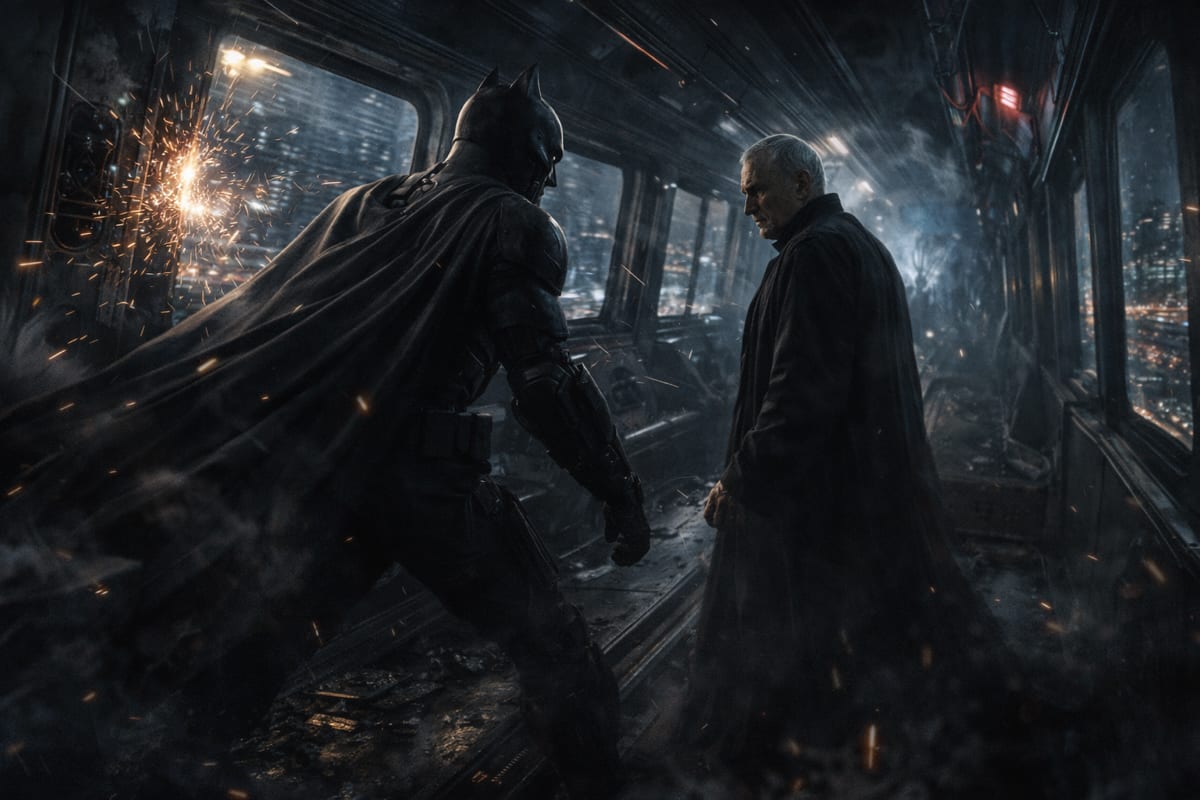
He fights Ra’s al Ghul, who is proceeding as planned, on the train; Batman stops the plan and Gotham escapes the crisis.
Some time later Rachel comes to Bruce at the ruined mansion.
She apologises for having misjudged him.
But she says they can be together on the day he stops being Batman, the symbol of fear to criminals.
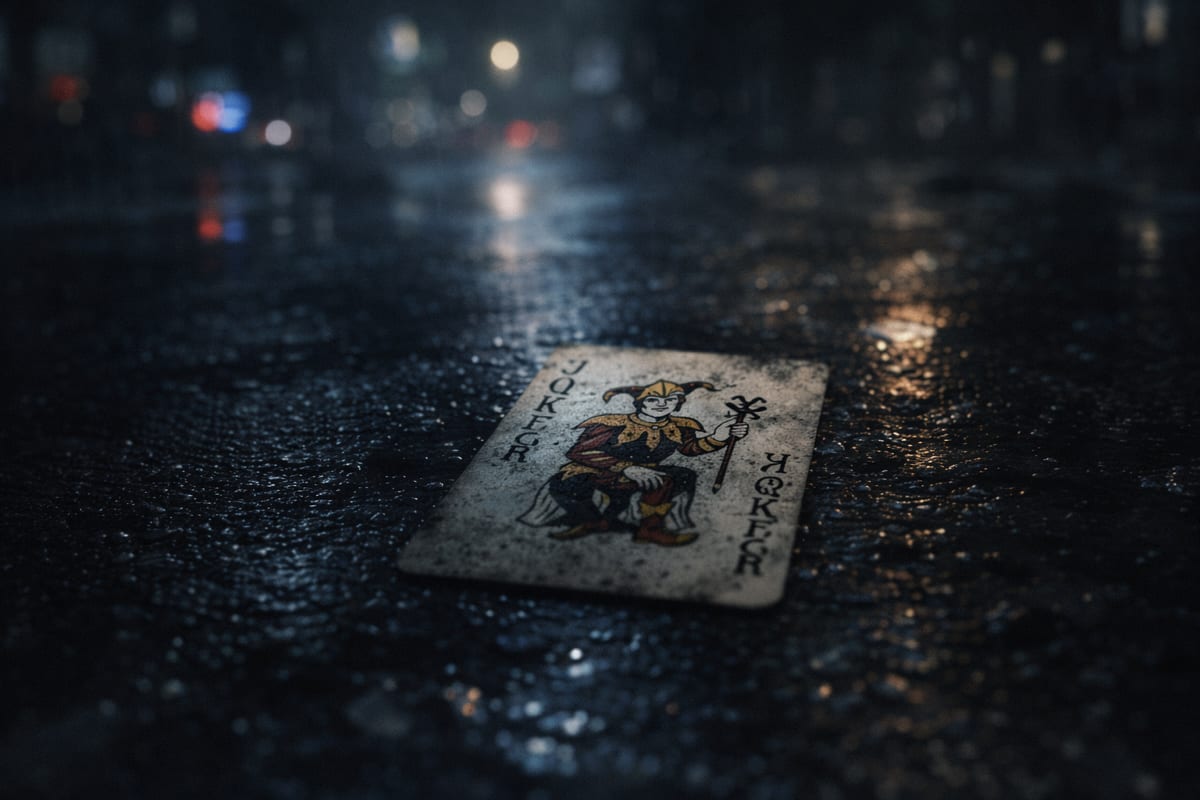
With Alfred he decides to rebuild the mansion. Called in by Gordon, Batman is shown the card a new enemy leaves behind — the Joker.
Reading the Keywords
Batman Begins is the birth story of a hero.
And at the same time it is the story of one individual getting up out of hardship and adversity.
There are four keywords that matter in this film.
Fear: An Instrument of Rule and a Thing to Overcome
In this film fear is not a simple emotion but a strategy.
Bruce Wayne breaks criminals psychologically before he overpowers them physically.
Using darkness, sound and symbol, he becomes an ‘unseen threat’.
Batman is less a powerful presence than the fear itself of not knowing what will come out at you.
What is interesting is that the origin of this fear is not outside him but inside.
Bruce carries a childhood trauma about bats.
The fall into the cave and the rush of hundreds of bats left him helpless.
He does not get rid of that fear.
Instead he wears that fear as his face.
Ra’s al Ghul uses fear too.
He means to throw all of Gotham into chaos with the fear gas.
But the difference between the two is clear.
For Bruce, fear is a means of holding crime down; for Ra’s, fear is a weapon for forcing order through.
The same emotion, and the opposite purpose.
Revenge: The Starting Point, But Not the Aim
The early Bruce Wayne is plainly gripped by revenge.
The loss of his parents, the anger, the sense of justice put a gun in his hand.
But the scene where Joe Chill is killed by Falcone is the decisive turn.
The revenge was not carried out, and the wound was not healed either.
It is then that Bruce realises.
That the problem is not one criminal but the structure that makes crime possible.
That realisation repeats in Ra’s al Ghul’s test.
Ordered to execute a guilty man himself, Bruce draws a line.
He means to stop crime, but he will not complete justice through simple killing.
At that moment he moves out of revenge and into responsibility.
Persona: “What You Do” Rather Than “Who You Are”
Begins is the starting point of the persona that runs through the whole trilogy.
Bruce Wayne does not hide an identity in order to become Batman; he designs one.
The exchange with Rachel—
It isn’t what’s inside you that defines you, it’s what you do.
“It’s not who you are underneath, it’s what you do that defines you.”
—is the ethical core of this film.
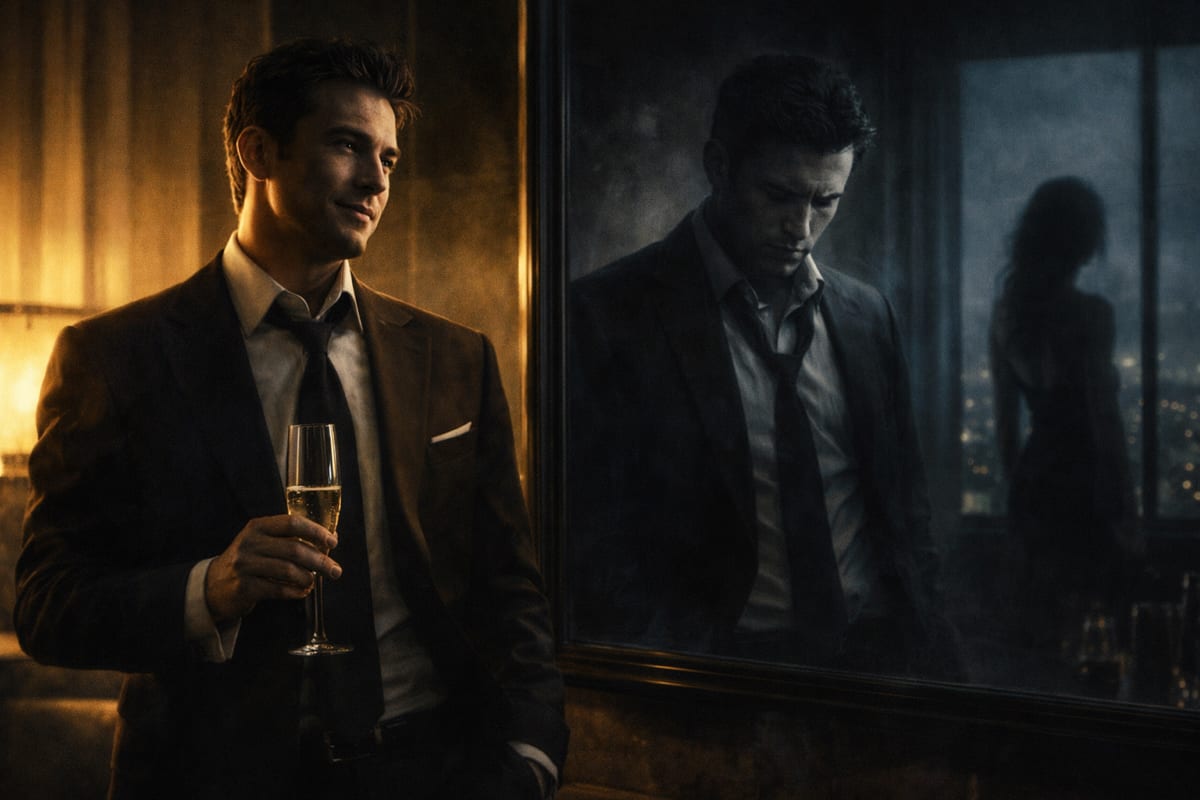
Batman is not Bruce’s true face.
He is a functional persona built to protect Bruce Wayne’s private feelings and weak points.
He performs as a playboy and acts as Batman.
This separation is not hypocrisy so much as a division of roles.
At this point Begins makes the hero called Batman not a mythic being but the product of action and choice.
Resilience: Why We Fall
What makes this film particular is that Bruce keeps failing.
The fall in childhood, the setbacks in training, the clumsy first attempts in Gotham, the destruction of the mansion.
He goes down every time.
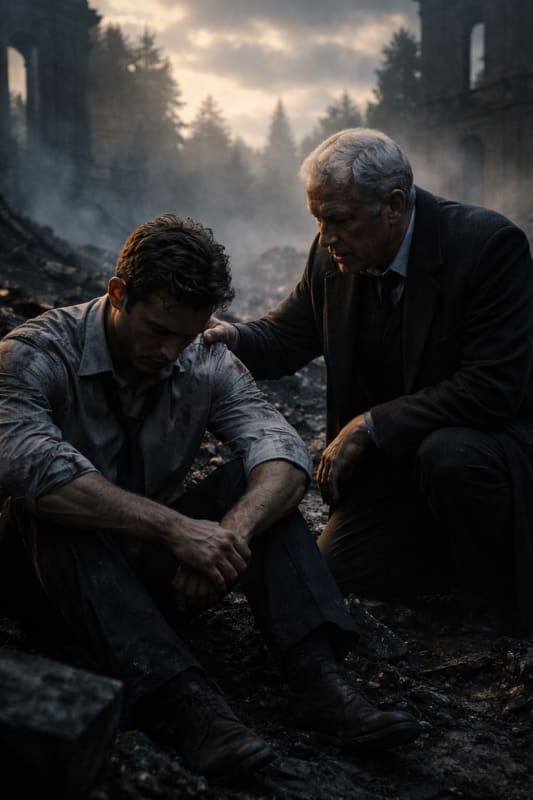
And there is a question that repeats.
Why do we fall?
“Why do we fall?”
The answer is simple. So that we can learn to pick ourselves up.
The line starts with his father Thomas Wayne, passes through Ra’s al Ghul, and comes back from Alfred.
But the meaning changes entirely.
At first it was comfort, later it was training, and at the end it becomes the ground of a choice.
What gets Bruce back up is neither anger nor revenge.
He gets back up because he has accepted that he can fall.
Conclusion
So Batman Begins is not a story about getting strong but a story about learning how to get back up.
The hero this film speaks of is not someone who has got rid of fear but someone who acts while carrying it.
Bruce Wayne did not become Batman because he had become perfect.
He never denied, in the end, that he could fall; he accepted that, and then he chose.
When that choice was repeated, he became a hero.
And in this, Batman Begins remains, before it is a superhero film,
a film about the belief that anyone can get back up