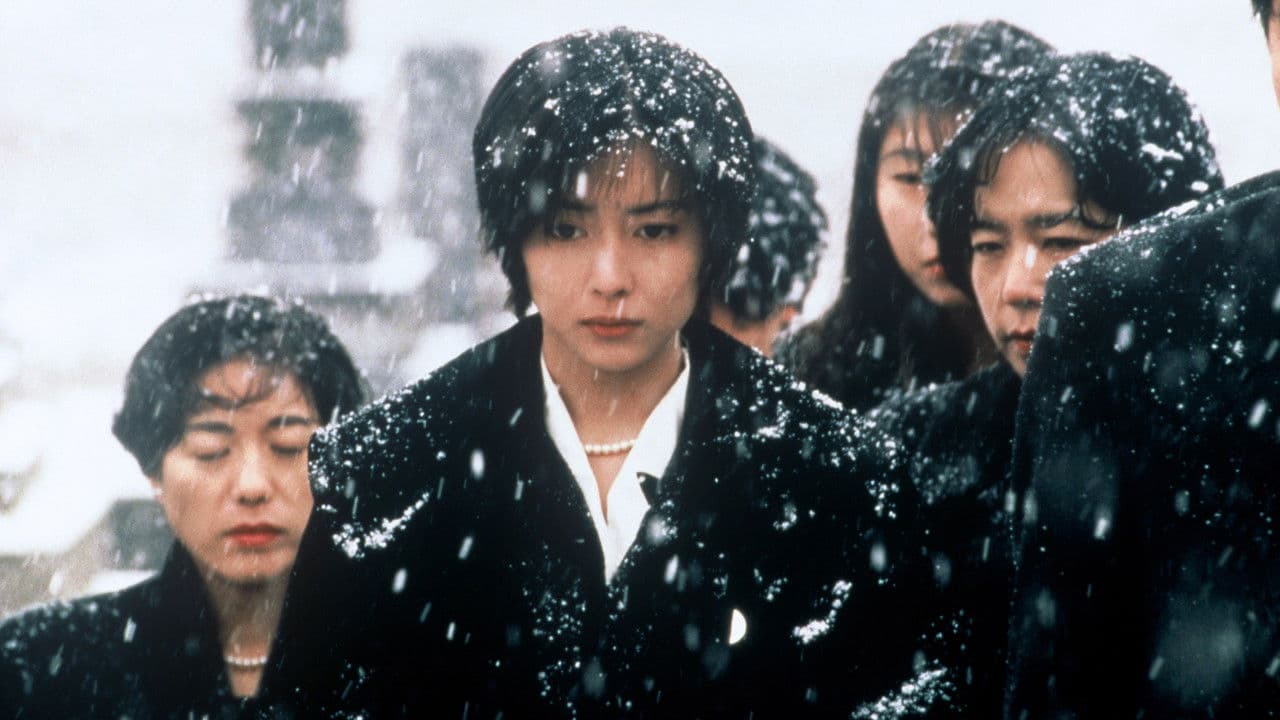
Love Letter (1995)
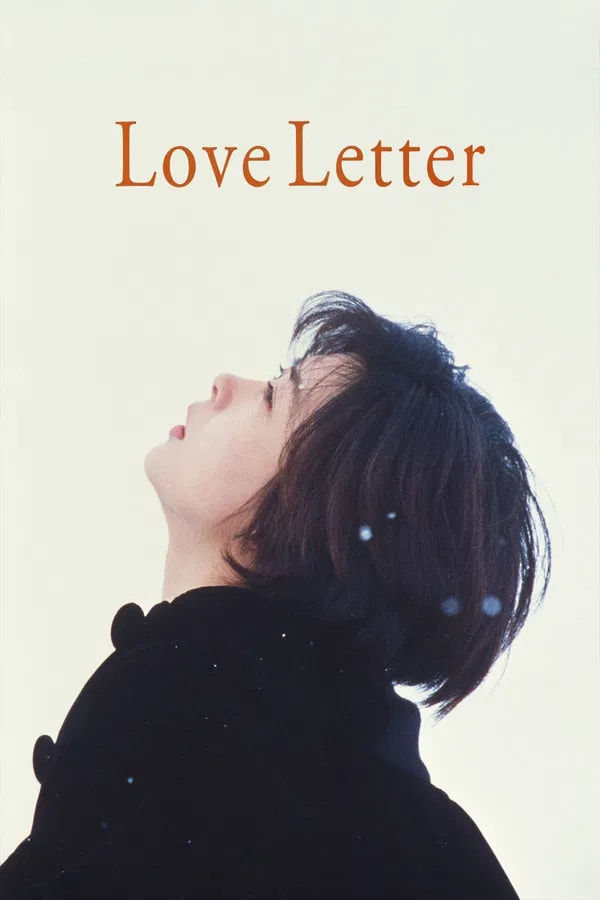
Information
Director
Shunji Iwai
Writer
Shunji Iwai
Cast
Miho Nakayama (Hiroko Watanabe / Itsuki Fujii)
Etsushi Toyokawa (Shigeru Akiba)
Miki Sakai (Itsuki Fujii, middle-school years)
Runtime
About 117 minutes
Country
Japan
Awards
Japan Academy Prize, Outstanding Performance by an Actress (Miho Nakayama)
Blue Ribbon Award, Best Actress
Lasting standing at Asian and international film festivals
About the OST
I want to start with the film’s soundtrack.
The OST album composed by Remedios may be something I love as much as the film — perhaps more than the film.
Every winter I put the album on end to end and walk the streets with it.
The track that stands for the film is ‘A Winter Story’.
The director is said to have had an eight-year-old girl practise and play it, so that the innocence of first love would come through.
One I am especially fond of is ‘He Loves You So’.
It comes in the scene where the male Itsuki, using the excuse of checking exam papers to stay a while longer, has the female Itsuki make light with her bicycle pedals.
Because each title names the scene it appears in, the tracklist works as a pleasure of its own.
An Unfortunate Fact
The characters are two women and the people around them.
The two women at the centre are Hiroko Watanabe and Itsuki Fujii, both played by Miho Nakayama, who died in 2024, in a double role.
To speak of Miho Nakayama first: she is a senior actress who came up as one of Japan’s defining idol singers.
She is known for “世界中の誰よりきっと” (Surely, More Than Anyone in the World), recorded with WANDS in 1992.
It is already well known in Korea, and the Korean band The Nuts covered it.
Miho Nakayama died on 6 December 2024, of what is presumed to be heat shock.
‘Heat shock’ is when a sudden change in temperature sends blood pressure sharply up or down, the vessels fail, and a stroke or heart attack follows.
It mostly happens with winter hot springs and baths.
In the case of bathtub drowning, 19,000 people a year die in Japan.
Following her work outside this film, she can read as a tanned, sharp, pert sort of presence.
But in the film her very white skin and slender hands are foregrounded, and her voice too is markedly feminine.
That is the Hiroko side of it.
Hiroko as a character is deeply feminine and careful.
Itsuki is the opposite appeal — easy-going and scatterbrained.
Despite the double role, the two read as entirely different people.
I think that is wholly down to how well Miho Nakayama played them.
Interpretation
About the Two Characters Living in the Present
Hiroko has lost her husband, but she has a future.
She has someone beside her to begin again with.
And yet she is shown staying in the past alone.
Itsuki does not seem much interested in romance.
And she does not seem the type to listen to her own heart.
Her father died of pneumonia.
Even so, when she catches cold she refuses to see a doctor, which worries her mother.
She is a scatterbrain who looks after neither her heart nor her body.
About the Letters
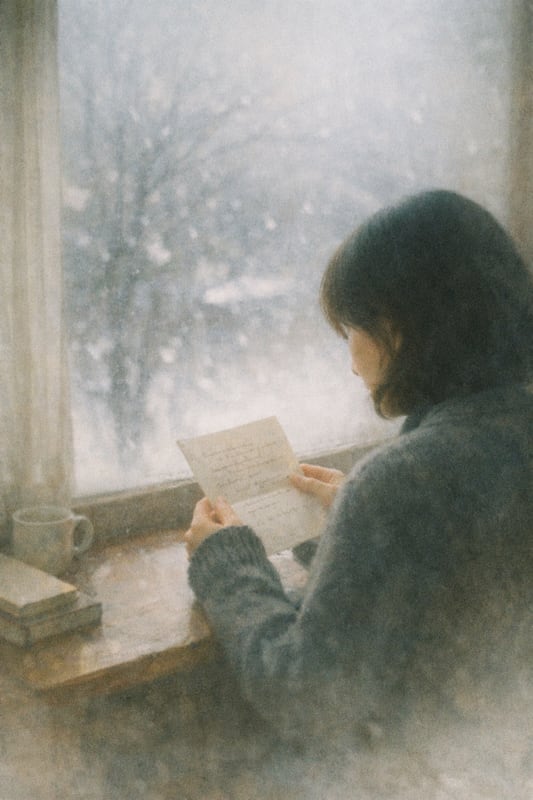
The letters Hiroko and Itsuki exchange carry a few peculiar properties.
The letters are not about the sender and the receiver but about a third person, who is dead.
Writing to each other, Hiroko and Itsuki trade mainly in the dead Itsuki.
Beyond that they feel no need to say anything, and the purpose falls away.
They hold the past rather than the present.
Through the letters they travel in time.
From what Itsuki tells her, Hiroko travels into the past of a husband she never knew.
Itsuki goes looking for the dead Itsuki and her own younger self in a past she had forgotten too.
Through the letters they each get something that matters.
It is the thing they felt no need for, and needed most.
Hiroko needed some inevitable piece of work in order to let her husband go and move forward.
That work is thinking about her husband until the thought wears through.
Thinking raises questions and curiosity, and connects to a past of his she did not know.
It began as curiosity, but the past she comes to learn through the letters is what Hiroko needed in order to forget him.
To Hiroko, Itsuki is the husband’s past itself — the one who knows the past of the husband Itsuki.
Recalling the past to pass on to Hiroko, she comes to know a heart she did not know she had.
Like a puzzle piece pushed under the wardrobe, it had been put away in a corner, but it was her own heart, to be pulled out and completed in the end.
About the Dragonfly

The Itsuki of the past, coming down the mountain after her father’s funeral, finds a dragonfly trapped in the ice.
Dragonflies are vulnerable to temperature, and when winter comes their wings are said to crumble.
The dragonfly in the ice is preserved whole.
By the director’s own account, the dragonfly is a symbol of Itsuki’s first love, never delivered, however long has passed.
What I felt personally is that the dragonfly is like the people you can never meet again.
You can no longer touch them, or bring them back. That is what her father was to the young Itsuki.
To the grown Itsuki, it is the dead Itsuki, trapped inside her own past.
About the Other Characters
Climbing the mountain, at some point Hiroko refuses to go any further.
She means to let the past go, and she is still afraid.
Shigeru leads her along that path, but she still misses Itsuki terribly.
Shigeru, the dead Itsuki’s closest friend, is in pain too.
Because he misses Itsuki and loves Hiroko.
But living in the present, he is a man with the strength to lead her.
In the end Hiroko and Itsuki are characters who move forward by looking back at the past.
So is Itsuki’s family.
The grandfather, who had not wanted to leave the house he had lived in for so long, at some point allows the move easily.
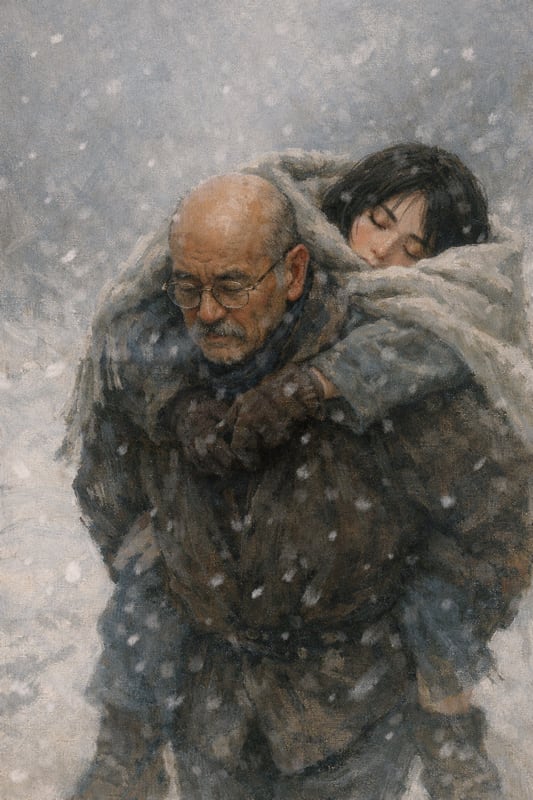
In the past, carrying his sick son to hospital on his back, the grandfather was too late, and lost him.
Even so, he resolves to get the sick Itsuki safely to hospital, if it kills him.
That he carries his granddaughter on his back in spite of the trauma shows a man stronger than anyone, and sure of himself.
A character this strong has the power to pull the people around him into the future with him.
The mother cannot get clear of the trauma tied to her husband’s death, and tries to stop the grandfather carrying Itsuki.
And in the end she trusts her father-in-law and sets out with him.
She too is a character moving into the future.
The letters exchanged with Hiroko let Itsuki look into her own heart and move into the future.
The family’s love and devotion bring Itsuki to look after her own body.
To live the rest of a life, health matters too.
About “Aoi Sangoshō”
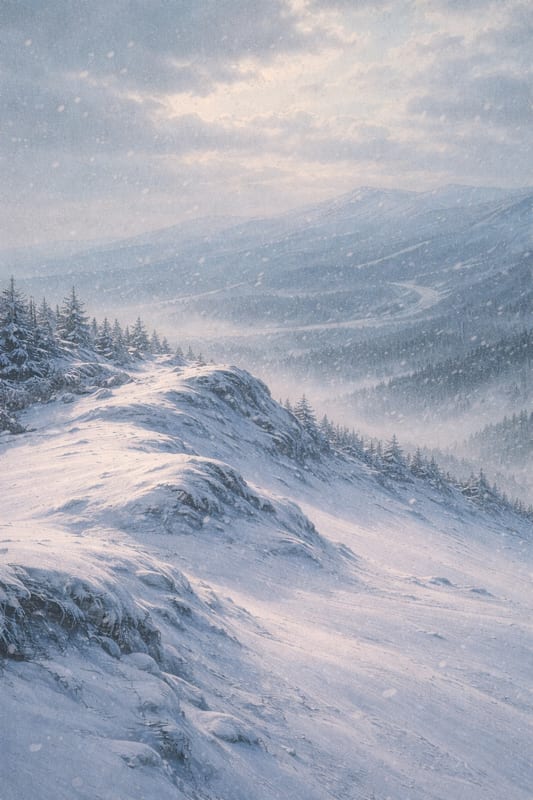
Shigeru and Hiroko go to the mountain where Itsuki died.
Itsuki’s friend, called the Fire Keeper, lives on the mountain, warning climbers.
Shigeru and Hiroko visit that lodge.
While the Fire Keeper has a hotpot going, Shigeru and Hiroko sit and fall into talking.
Hiroko tells the story of Itsuki’s proposal.
Itsuki had gone as far as preparing a ring, but for two hours he looked into the distance and said nothing.
In the end it was Hiroko who spoke first and asked him to marry her.
Itsuki was a man who found opening his heart that difficult.
That temperament connects to the song Itsuki loved, “Aoi Sangoshō”.
Hiroko had wondered why Shigeru and everyone around Itsuki all sang “Aoi Sangoshō”.
They sang it so often because that song was Itsuki’s last words.
When Itsuki was stranded, they say, he sang “Aoi Sangoshō” as he was dying.
The chorus of “Aoi Sangoshō” runs
“My love rides the south wind and goes to that island”
That is how it goes.
A south wind means a wind blowing from the south to the north.
Itsuki had transferred away, south from Otaru, where he lived as a child.
The wind he sings of is, in the end, headed toward someone in the north.
The love of Itsuki (male), in the south, rides the wind toward Itsuki (female) in Otaru, on the island of Hokkaido at Japan’s northern tip.
Itsuki (male) is said not to have liked Seiko Matsuda — the singer of “Aoi Sangoshō” — in the ordinary way of things.
And yet he sang this song right before he died, which is how long he had gone on loving his first love, Itsuki (female).
For Hiroko it is a hard story to hear.
Love is distributed fairly, though.
Hiroko has Shigeru’s love, and it is implied she will go on with him.
Itsuki receives the heart of a first love that was never delivered.
Perhaps the dead Itsuki is a little better for it too.
A heart loved and missed for a lifetime and never passed on is passed on at last, even if only after death.
About the Iconic Scene

Waking in the morning, at the far end of the wide snowfield, the snow mountain where Itsuki was stranded comes into view.
Shigeru goes first and shouts what he wants to say to the dead Itsuki.
He shouts that he will take responsibility for Hiroko, answers himself with a yes, and eases the mood.
Hiroko, when she falls, throws off her coat too, runs out into the wide field, and cries out over and over for a long while.
This is the most famous scene.
But rather than simply shouting on a snowfield, it can be read as the scene where Hiroko shakes off the past that had held her.
It is the pivotal scene as well.
About Names
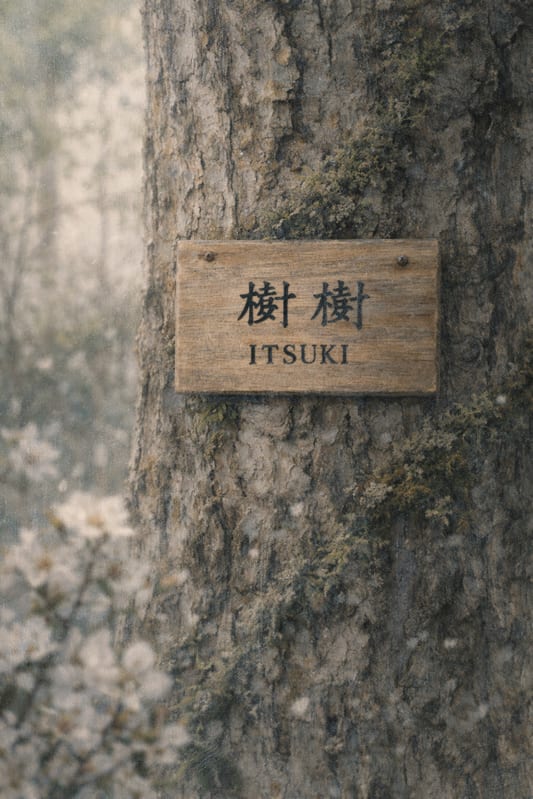
The grandfather gave the name Itsuki to a tree he planted when Itsuki was born.
The act of naming a tree is worth noting.
Naming something after a person is not something you do unless you respect or love that person a great deal.
To that extent, doing something with a name always carries meaning.
So does calling someone’s name over and over alone, or even writing it down.
It is not something you do unless you miss or love that person a great deal.
On countless library cards Itsuki left, like traces, the name that was his own and the name he loved.
Itsuki loved Itsuki as many times as that name appears.
About the Film’s Structure

This film has an unusual structure.
For one, it is a romance, but the two exchanging letters are not a man and a woman — they are two women each tied to a dead man.
From that alone you can tell it is not simply a film about love catching fire, or love carrying on.
The letters begin in missing one person, run on into curiosity about one person, and light up the past of one person.
The reasons Hiroko and Itsuki look into the past are different.
For Itsuki it is to look back at feelings and memories, pressed down inside, that she did not know she had.
And within them she comes to know how Itsuki felt about her, having loved her that much.
It is also for Itsuki, who would have wanted his heart delivered even after death.
Hiroko cannot let go of missing him — the way you try to hold sand as it slips between your fingers, something is left unresolved.
But it is also in order to forget the past and move forward.
お元気ですか? 私は元気です. (O-genki desu ka? Watashi wa genki desu.)
Hiroko says this line, famous to Koreans, more than once.
Not only on the snowfield — she puts it in the letters she sends to Itsuki as well.
“O-genki desu ka?” (How are you?) and “Watashi wa genki desu” (I am well) amount to the film stated in a single line.
Because a journey that began in wondering whether the dead Itsuki is well ends with Hiroko becoming well.
In Search of Lost Time
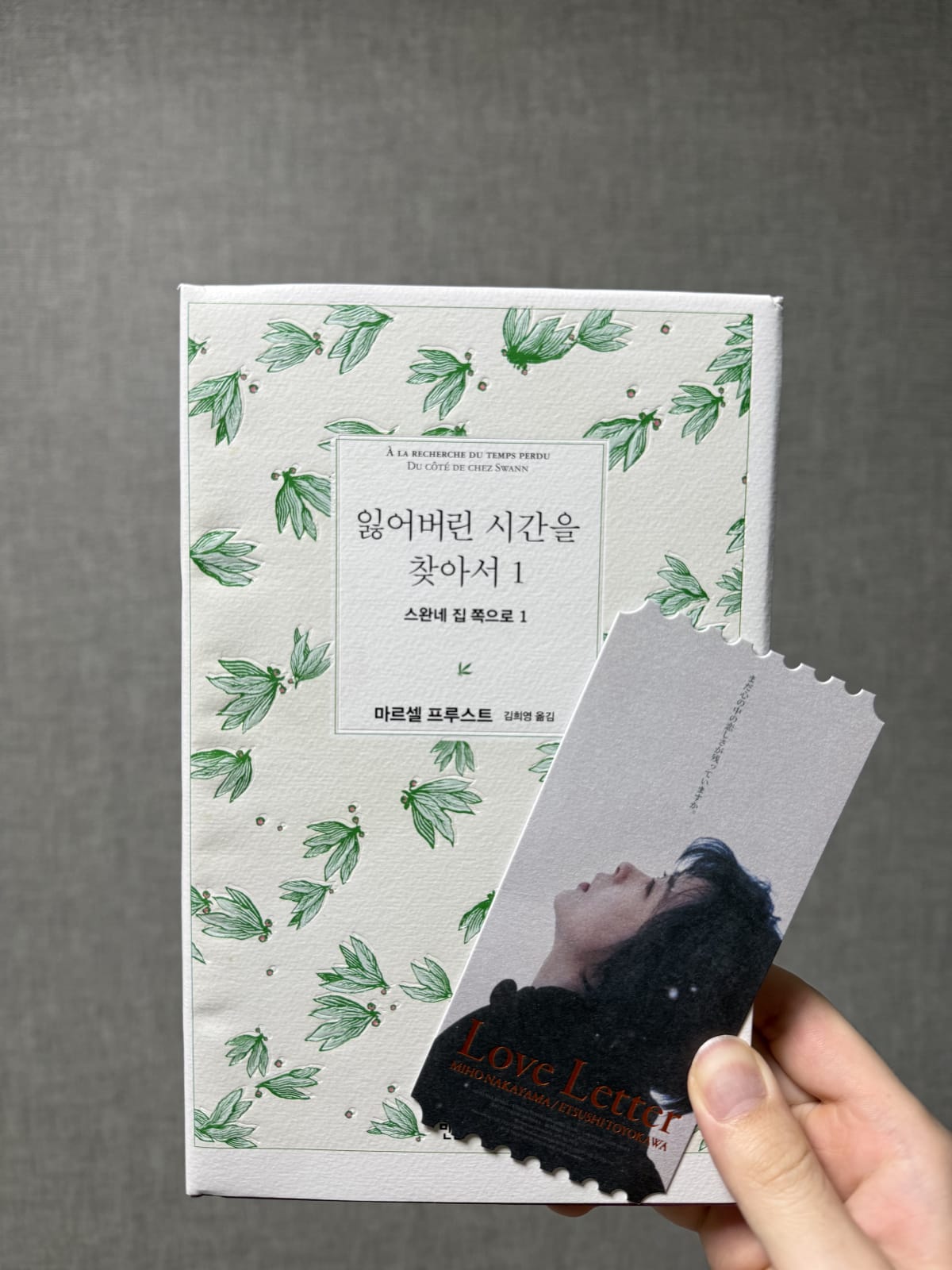
The male Itsuki comes to find Itsuki, who has not been coming to school since her father died.
And he hands her a book, asking her to return it for him.
What the book is exactly is never shown.
But at the end of the film you can see it has the same cover as the book the students bring to give to Itsuki.
That book is ‘In Search of Lost Time’.
The director seems to have read In Search of Lost Time and made the film out of the impression and the inspiration it left.
The novel was written by the French novelist Marcel Proust between 1913 and 1927.
It is rated the most important novel not only in French literary history but in world literary history.
I bought the complete set too, read about fifty pages of the first volume, and have left it for years.
I have read something like 250 novels, and it is difficult enough to be the only book I have stopped reading.
In Search of Lost Time runs to seven volumes, and the seventh is subtitled ‘Time Regained’.
Hiroko goes from being someone who sets love down to someone who passes it on.
And through that Itsuki becomes someone who regains love and memory.
It is the reverse of where the film began.
The film seems to move as though Itsuki is passing on Hiroko’s love, but in the end it is Hiroko who gives Itsuki back the love she had lost.
In the novel, the narrator bites into a madeleine and, from the scent, remembers the scent of eating madeleines as a child.
And so the narrator’s story runs on from childhood.
Like In Search of Lost Time, this film has memory brought back by all sorts of sensory experience.
And it has a similar structure in the way it has you find new experience inside that memory.
Gathering the Foreshadowing, and the Magician of Emotion
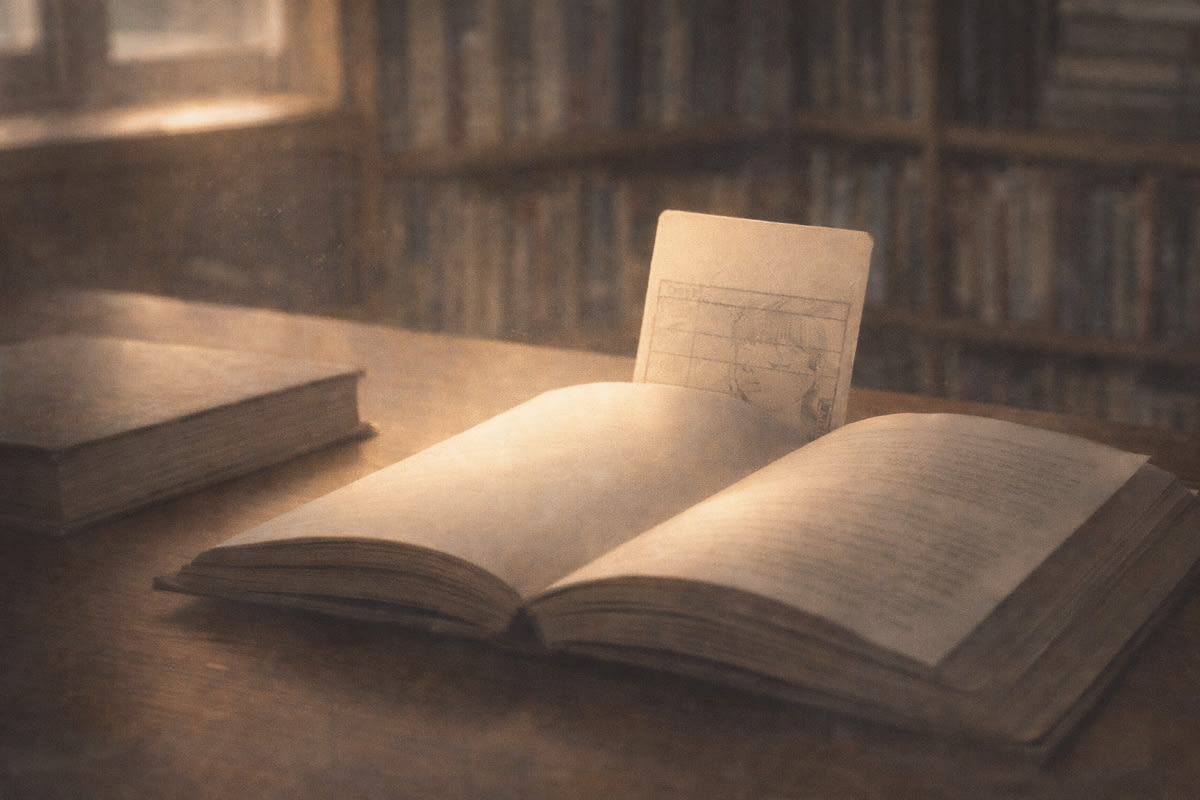
The film’s great strength is how much foreshadowing and meaning it scatters about.
None of these devices are there to deceive the audience; they are closer to a magic trick for opening the heart.
Making you feel, at last, a love that was never spoken.
The reason this film is remembered so long is exactly that quiet magic.
And love here is not grand.
A heart never spoken in the end, one drawing left in its place, and a feeling understood only then.
What remains once all the foreshadowing is gathered in is only the warmth of a first love one person carried a whole life.